English
 Polski
 Español
 українська

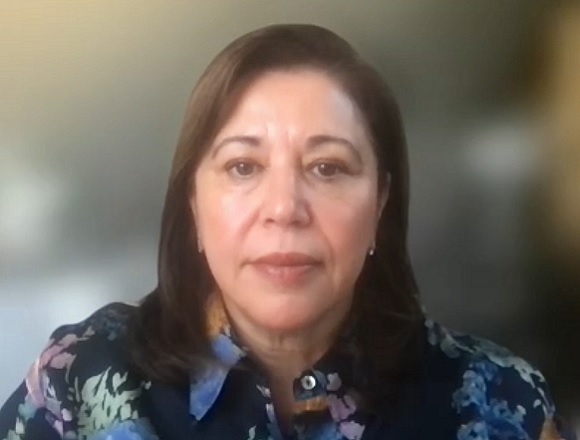
Jyotirmoy Pal, MD, is a professor of medicine, consultant physician, and geriatrician in the College of Medicine & Sagore Dutta Hospital, India. He is the current president-elect of the Association of Physicians of India and has served as dean of the Indian College of Physicians.
Are vibration plates and posture strengthening and balance exercises, such as tai chi, effective in preventing falls and fractures in elderly individuals with frailty?
Jyotirmoy Pal, MD: A very important question because we have discussed how we can assess the fall risk, what measures we can take, how we identify the disease, now, the fall prevention. One person may not have any underlying serious disorder, but the patient does fall due to some environmental or situational factors. Now, the question is, what measures I will advise to the patient and the patient’s relatives so that falls can be prevented in the patient.
One very important issue is diet and exercise. One is diet. Diet, and particularly the diet having more calcium and vitamin D3, is very important. If you supplement ≥800 IU of vitamin D3, not only in severely depleted but also moderately depleted patients, that can prevent the fracture following a fall. And exercise is very important. Usually in the elderly we say that 45 minutes [3 times] per week is [optimum], which is nearly 1 hour of exercise on average. And this can be divided into 3 parts; that means 3 days of exercise per week, 45 minutes [per session], is adequate for the elderly. And it is more advisable that the patients do aerobic exercise rather than nonaerobic exercise. Three days in a week, 45 minutes per session, is adequate for the elderly for prevention of fall risk and better outcome.